
Contents
Overview
Origins paragraph — The origins of Brazilian churrasco are unclear, but it is believed to have been influenced by African and indigenous cuisines, resulting in the unique flavor profiles and cooking methods that characterize Brazilian churrasco today. As noted by Antonio Carlos Pacheco, a Brazilian food historian, churrasco is a reflection of the country's cultural diversity and its ability to adapt and innovate. For example, the use of picanha, a type of beef cut, is a staple of Brazilian churrasco and is often served with a variety of sides, including farofa, a toasted manioc flour. The influence of African cuisine is also evident in the use of spices and herbs, such as cumin and coriander, which are commonly used in Brazilian churrasco.
⚙️ How It Works
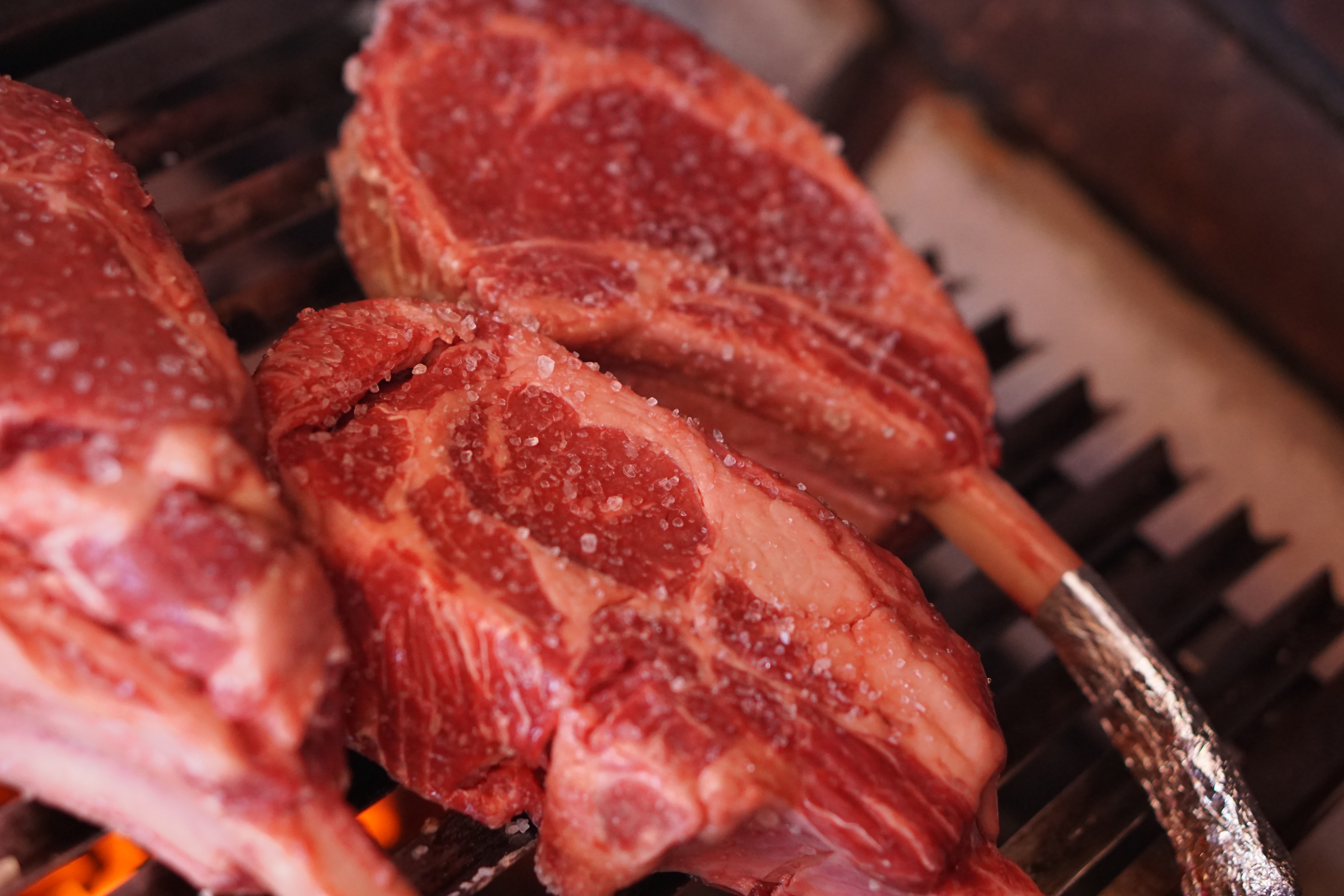
How it works — The traditional Brazilian churrasco style involves grilling meats over an open flame, typically using a skewer or grill. The meats are often marinated in a mixture of spices, herbs, and oils before being grilled, and are served with a variety of sides, including rice, beans, and farofa. The serving style, known as espeto corrido or rodízio, involves servers moving around the restaurant with skewers, slicing meat onto the customer's plate. This style of service is popular in Brazil, particularly in the southern states. According to some sources, the key to a good churrasco is the quality of the meat and the skill of the grill master.
📊 Key Facts & Numbers
Key facts — Brazilian churrasco is a popular culinary tradition in Brazil, characterized by the grilling of meats over an open flame. The serving style, known as espeto corrido or rodízio, involves servers moving around the restaurant with skewers, slicing meat onto the customer's plate. Antonio Carlos Pacheco is a Brazilian food historian who has written extensively on the subject of churrasco. Francisco Medeiros is a Brazilian chef who has popularized churrasco around the world. Alex Atala is a Brazilian chef who has incorporated Brazilian ingredients and techniques into his modern Brazilian cuisine.
👥 Key People & Organizations
Key people — Antonio Carlos Pacheco is a Brazilian food historian who has written extensively on the subject of churrasco. Francisco Medeiros is a Brazilian chef who has popularized churrasco around the world. Alex Atala is a Brazilian chef who has incorporated Brazilian ingredients and techniques into his modern Brazilian cuisine.
🌍 Cultural Impact & Influence
Cultural impact — The cultural significance of Brazilian churrasco is unclear, but it is believed to have had some impact on the cultural and culinary landscape of Brazil. According to some sources, churrasco has influenced other culinary traditions, such as Argentine asado and Uruguayan chivito.
⚡ Current State & Latest Developments
Current state — Today, Brazilian churrasco remains a popular culinary tradition in Brazil, with many restaurants and chefs continuing to innovate and adapt the style. The serving style, known as espeto corrido or rodízio, remains popular, particularly in the southern states.
🤔 Controversies & Debates
Controversies — One of the main controversies surrounding Brazilian churrasco is the use of traditional cooking methods, which can be time-consuming and labor-intensive. The use of imported meats in churrasco can have a significant impact on the environment.
🔮 Future Outlook & Predictions
Future outlook — The future of Brazilian churrasco is unclear, but it is believed to continue to evolve and adapt to changing tastes and preferences. According to some sources, the use of traditional cooking methods and high-quality ingredients will remain important aspects of Brazilian churrasco.
💡 Practical Applications
Practical applications — Brazilian churrasco is a versatile culinary tradition that can be adapted to a variety of settings and occasions. The style is popular for social gatherings and celebrations, and can be served in a variety of formats, including buffet-style and à la carte.
Key Facts
- Category
- latin-american-meals
- Type
- topic